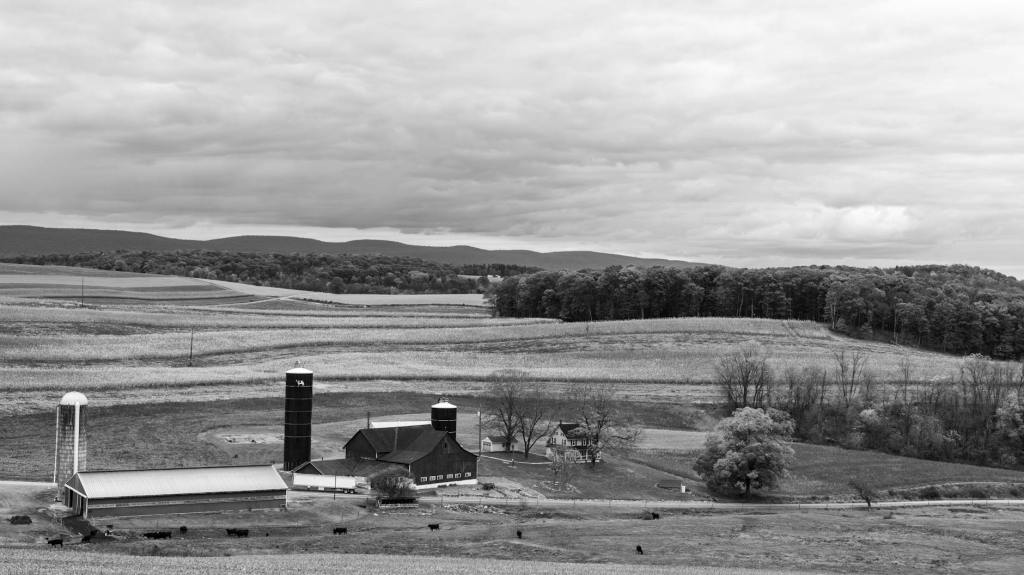
Pennsylvania is home to some truly remarkable features, from forests, rivers, and vast ecosystems. The threat to these systems is real, and the Shapiro administration is taking action in various ways to combat these issues. October 23rd of this year, the administration planted 700 trees along local waterways to reduce runoff. The hope is that these trees reduce agricultural and city runoff from entering the waterways.
Why is this important?
Though Orson Run, the river along which these 700 trees were planted, does not supply treated drinking water to the public, its stream does run into much larger waterways. These larger waterways run into the Chesapeake Bay, which has a significant pollution problem. Much of the pollution in the Chesapeake Bay can be traced to Pennsylvania, primarily agricultural runoff. This runoff not only increases the amount of mud and other sediment in the water but also increases concentrations of nitrogen, pesticides, herbicides, and other contaminants. These contaminants flow through our waterways and accumulate in the bay, creating toxic algal blooms, depleting oxygen, and contaminating drinking water.
The Pennsylvania Department of Conservation and Natural Resources Secretary Cindy Adams Dunn states, “Every tree we plant is a step toward cleaner water, healthier farms, and a better future for our children.” An inspirational quote as DCNR joins the Alliance for the Chesapeake Bay on their path to planting 2,700 trees in a 10.35-acre area. The efforts along the 2.5-acre streamside forest buffer include 35 species of trees and shrubs to help reduce the effects of runoff from the farm where this project is taking place. This farm helps supply the milk needed for Land O’ Lakes production, and through a corporate sustainability initiative, the Alliance for the Chesapeake Bay works with these types of companies and farms to accelerate the restoration of the Chesapeake Bay.
Cost
Though this project is helping downstream communities, its approval was met with heavy criticism from voters. This criticism stemmed from the hefty price tag of an estimated $130,000. This criticism does not include the $10.5 million in grants passed in 2024 for tree planting and lawn-to-habitat conversions. It is not clear where the $130,000 for this project came from, as the Pennsylvania budget has not yet been officially passed. Though the Senate passed a $47.9 billion budget bill on the 21st, the Shapiro administration argues it’s insufficient to cover state obligations.
The Climate Pulse will continue to stay updated on current developments regarding additional restoration projects proposed by the state. While voters may argue that the money is not available for these projects, protecting the environment still has a strong incentive for future generations.
References
Commonwealth of Pennsylvania. (2025). Shapiro Administration Invests $130,000 to Plant 700 Trees Along York County. Retrieved October 28, 2025, from Pa.gov website: https://www.pa.gov/agencies/dcnr/newsroom/shapiro-administration-invests–130-000-to-plant-700-trees-along
 The Climate Pulse
Leave a comment